
Robusta futures reach 45-year record – but why are prices still so high?
The robusta revival in specialty coffee has been ongoing for some time now. As quality has improved dramatically in recent years, more and more roasters have added robusta to their blends – or even offered it as a single origin.
So as demand has spiked, prices have also steadily risen. On 6 May 2024, Bloomberg reported that according to data from the International Coffee Organisation, robusta prices had reached a 45-year high.
Although it’s certainly a big contributing factor, rising demand is not the only reason why prices are the highest on record since 1979. So what can roasters expect when sourcing robusta for their offerings?
To find out, I spoke to Cleia Junqueira, a coffee consultant and R grader. Read on for more of her insight.
You may also like our article on why demand is increasing for robusta.

Why is the price of robusta still so high?
The market price of coffee (both arabica and robusta) is determined by supply and demand. In simple terms, as global coffee supplies are limited, prices will rise if demand increases.
Over the past couple of years, coffee prices have been steadily increasing. Looking at robusta in particular, it was only in January 2024 that futures (predefined contracts in which buyers and sellers agree on a coffee sale based on a future delivery date) had hit a 29-year high. As of early May, they have now reached a 45-year record high.
Cleia Junqueira is a coffee consultant and R grader – an industry professional trained and qualified to assess robusta quality.
“The increase in robusta prices can be attributed to several factors,” she says. “However, one key reason is that roasters are continually looking for more affordable blend options.
“Previously high arabica prices have also led to a rise in robusta prices as well,” she adds.
Although we have definitely seen demand sharply rise in recent years – especially with the rise in popularity of blends in specialty coffee – the reasons for record highs are more complex than that.
In late January 2024, global robusta inventories fell to a record low of 2,996 lots. The main reasons for this were:
- Excessive dry conditions in Brazil’s growing regions, which has negatively affected some harvests
- A 47% year-on-year increase in Vietnam’s exports
- The ongoing Red Sea crisis, which is heavily impacting global trade routes – especially shipping routes connecting East Asian origins (such as Vietnam and Indonesia) to destination markets in Europe
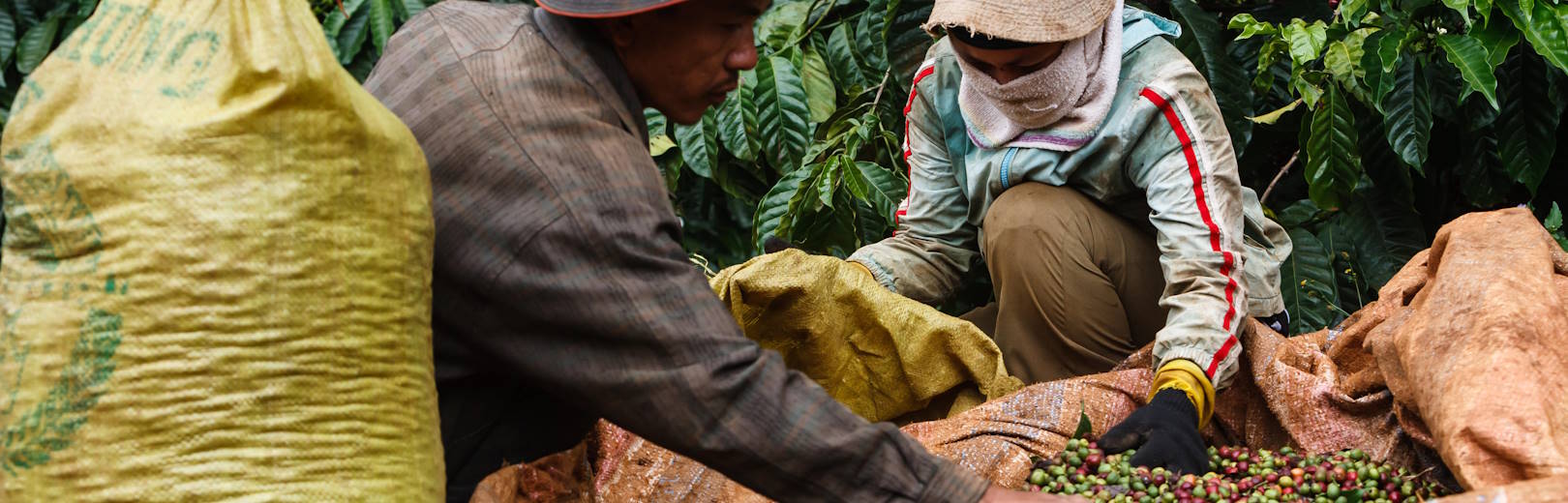
More recently, Vietnamese coffee farmers have been facing worsening drought conditions. And given that the country is the world’s biggest robusta producer, excessively dry weather is massively impacting global market prices for robusta.
Will robusta futures fall anytime soon?
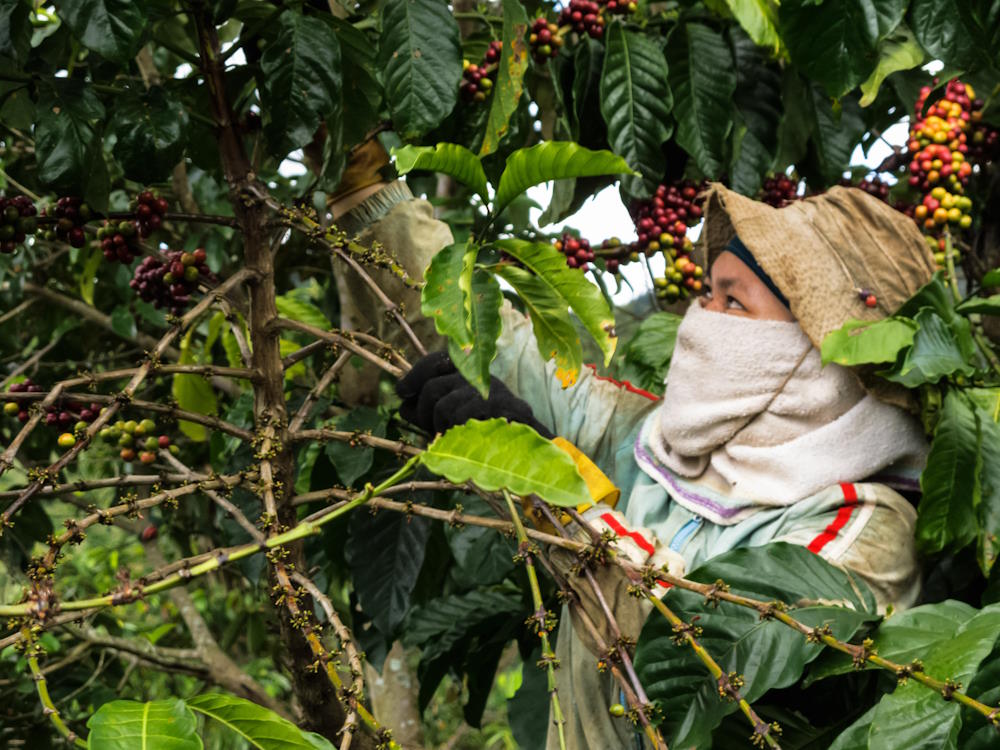
With dry conditions set to continue in Vietnam, it’s likely that the country’s robusta harvests will be negatively affected for some time. In turn, we shouldn’t expect prices to fall significantly in the foreseeable future.
“Prices will go down, but I believe it will take some time,” Cleia says. “But with so many factors affecting prices, it’s a waiting game.”
Moreover, Vietnamese farmers are ramping up irrigation to combat drought. Although this is necessary to sustain plant health, it only worsens the problem in the short term.
Local prices in Vietnam have also rallied to an all-time high. To take advantage of this after a weak 2023-24 harvest, many producers have started to hold onto their coffee in an attempt to receive the best possible price.
Once again, this only exacerbates the issue. As global robusta stocks continue to dwindle and demand increases, prices will continue to rise.
Additionally, as producers hold onto their coffee, the number of contract defaults has been growing, which causes its own set of challenges.
“Strategic” defaulting is when a change in market conditions – like the price of coffee – makes it more advantageous for coffee farmers to abandon one contract in favour of another sale.
However, while producers could receive higher prices, there can also be negative consequences – including potentially harming relationships with traders and roasters.
So what does this mean for roasters?
Specialty coffee’s interest in robusta is definitely growing. But while it’s certainly most noticeable with blends on roasters offerings and coffee shop menus, we have also seen robusta used on one of the most prestigious stages in the coffee industry: the World Barista Championship. The most notable example is Japanese competitor Takayuki Ishitani – who placed fourth at the 2022 WBC – who used a blend of robusta and an anaerobic fermented Gesha.
In line with this, roasters are unlikely to stop buying robusta any time soon. But what do they need to know when it comes to high prices?
“For roasters to manage these high prices, they must keep a close eye on their green coffee inventory and focus on their blends,” Cleia says. “Whenever possible during this period of higher prices, it’s better to wait to buy.”
Closely managing stock levels means roasters can be better prepared to replace any particular lots with coffees that have a similar flavour profile. This could be done for a number of reasons, including supply shortages, extended shipping times, and higher prices.
With the price of arabica currently at a one-month low, this could mean temporarily transitioning away from robusta. But as more and more consumers show interest in trying robusta, it’s a case of balancing consumer demand.
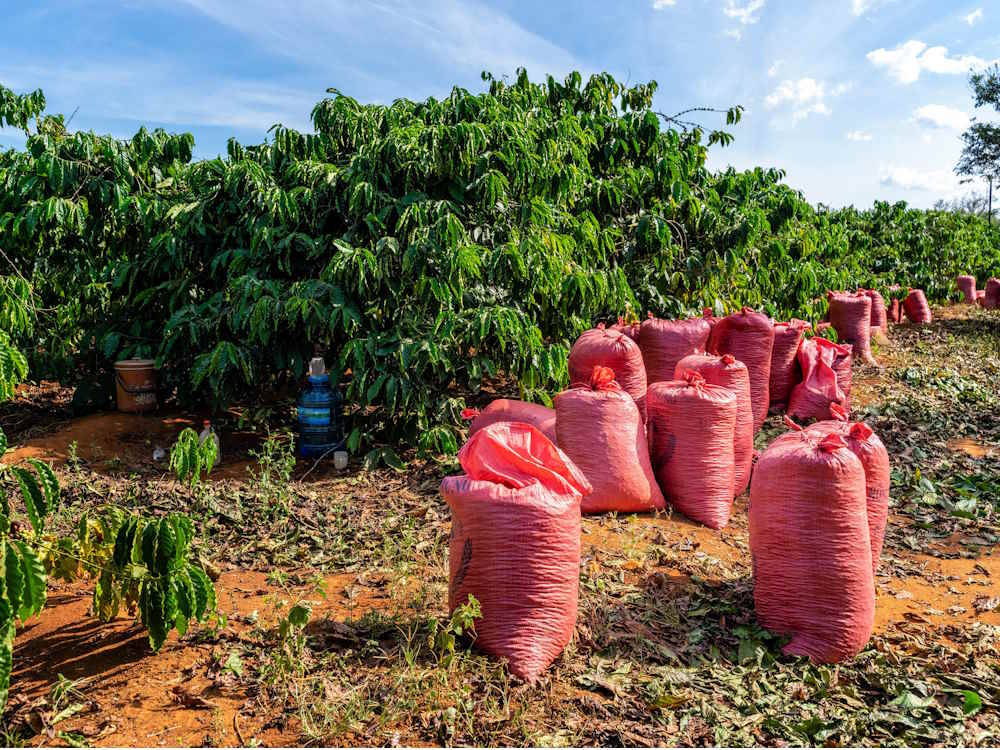
With robusta prices continuing to rise – and showing no signs of slowing down – roasters need to be even more strategic when managing their inventories.
Ultimately, there needs to be a balancing act between passing on costs to the end consumer and keeping a close eye on tightening margins – but this decision is based purely on individual business needs.
Enjoyed this? Then read our article on why specialty coffee needs to show more interest in robusta.
Perfect Daily Grind
Want to read more articles like this? Sign up for our newsletter!

