
Running a coffee shop has never been harder: How are cafés managing?
Estimated reading time: 9 minutes
Key takeaways
- Only 53% of Italian coffee bars now survive beyond five years.
- VAT, tariffs, and rising costs are squeezing café margins in several major markets.
- One-third of UK hospitality businesses now operate at a loss.
- Closer ties with suppliers and customers give shops the best chance of survival.
Running a coffee shop has never been especially profitable, and the past few years have made it harder still. Green coffee prices have climbed, US tariffs have unsettled the market, and day-to-day running costs keep rising.
Two specialty coffee business owners, one in California and one in Stockholm, explain the pressures they face and what keeps their businesses going.
You may also like our article on why middle-sized coffee shops are struggling.

Impacts in different markets
Opening a café has long appealed to people passionate about coffee, but the economics of running one have grown tougher. Costs continue to climb across the sector, and margins remain narrow.
One in five UK hospitality businesses feared they would collapse this year. Coffee shops were already under financial strain before the Covid-19 pandemic cut into their margins, and the sector has struggled to recover since.
Green coffee prices have risen steadily for several years, while US tariffs added pressure onto coffee shops and roasteries. At the same time, the cost of milk, rent, insurance, and energy has increased sharply worldwide. In much of Europe, high value-added tax (VAT) rates add to the pressure; a recent industry survey linked VAT to losses at nearly 25% of UK pubs, bars, and restaurants.
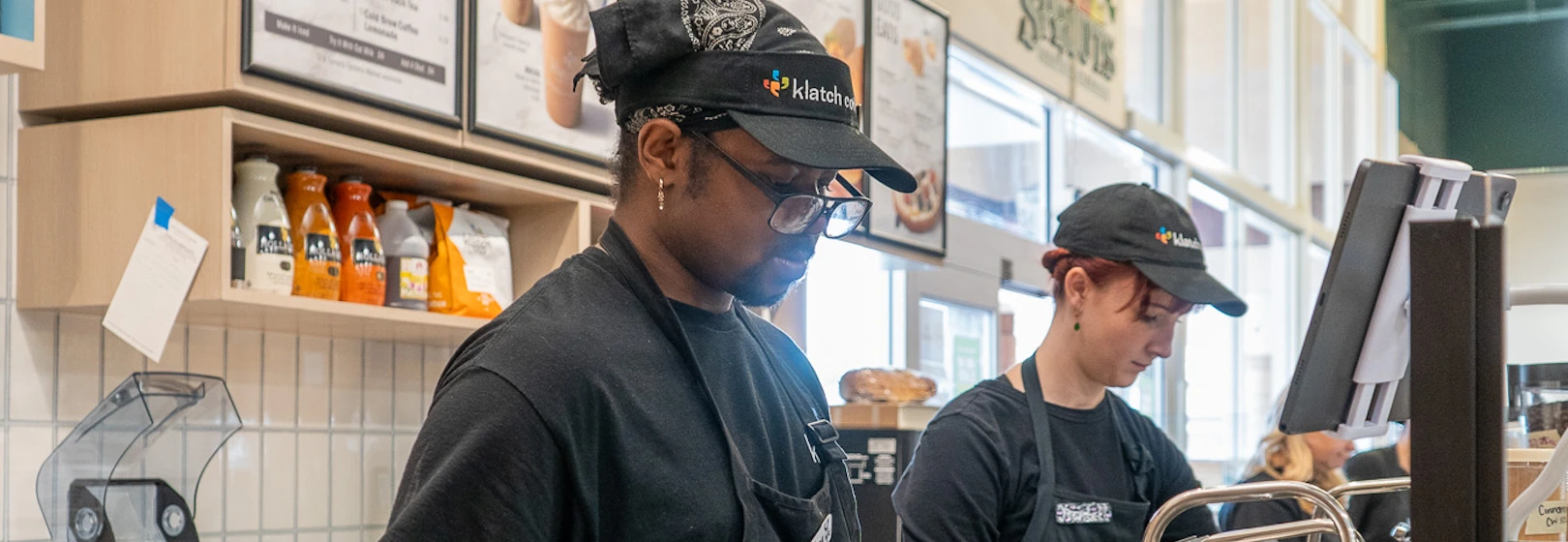
“There’s no breaks anywhere,” says Heather Perry, chief executive of Klatch Coffee in California.
Most coffee shops absorb as much of the extra cost as they can and pass the rest on to customers. Despite the growing risk of failure, new cafés keep opening.
Why profits stay thin
Specialty coffee shops have never been especially profitable. “You can make money at it, but ‘super profitable’ is definitely not how I would describe it,” Heather says.
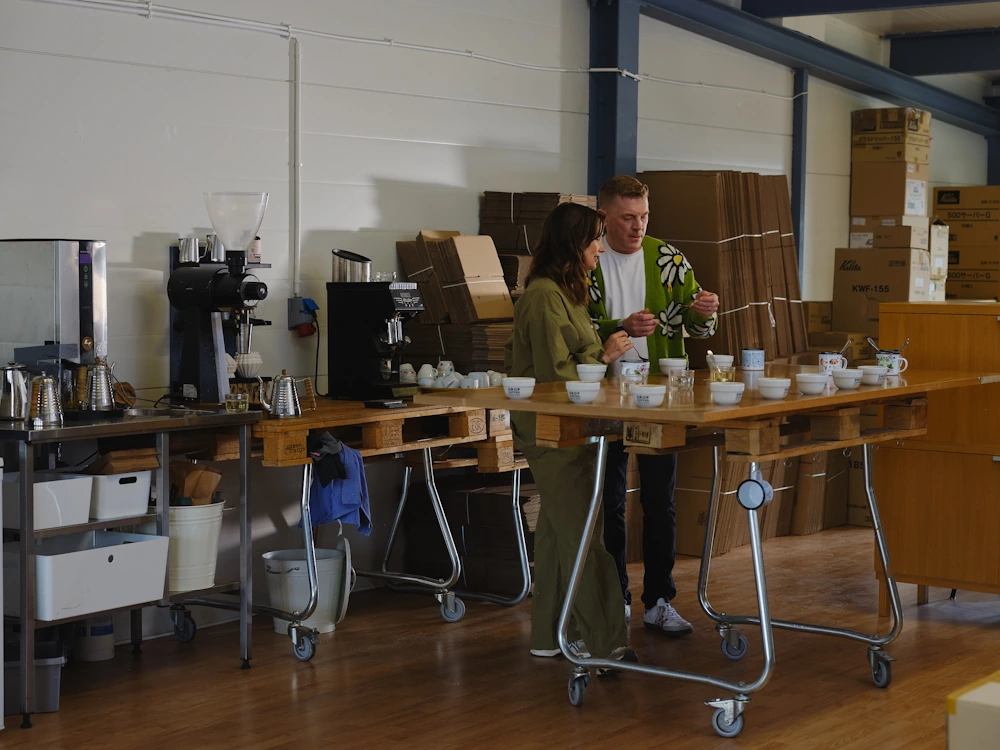
Joanna Alm Leighton, co-founder and managing director of Drop Coffee Roasters in Stockholm, says Drop did not turn a profit for nearly five years.
Part of the reason is that few owners start out with expertise in both specialty coffee and business finance. “It takes a few years to either really learn coffee or to really learn how to run a business,” Joanna says.
Margins stay small even after that. “I find it challenging to actually take out a profit rather than to reinvest in the business,” she says. “You can definitely make it work, and I’ve now made Drop work for ten years.”
Italy, with its long tradition of coffee bars, shows the effect of years of shrinking margins. Recent data show that only 53% of new coffee bars in Italy survive five years, and foreign owners now run 20% of bars in northern Italy as fewer Italians enter the trade.
Italian researchers point to economic pressure as one cause. They also highlight changing habits, as consumers increasingly favour speed and drinking coffee at home over conversation at the bar. As a result, Florence lost 119 bars between 2015 and 2025, a 14.6% fall, while Tuscany as a whole lost 575.
Addressing a hospitality crisis
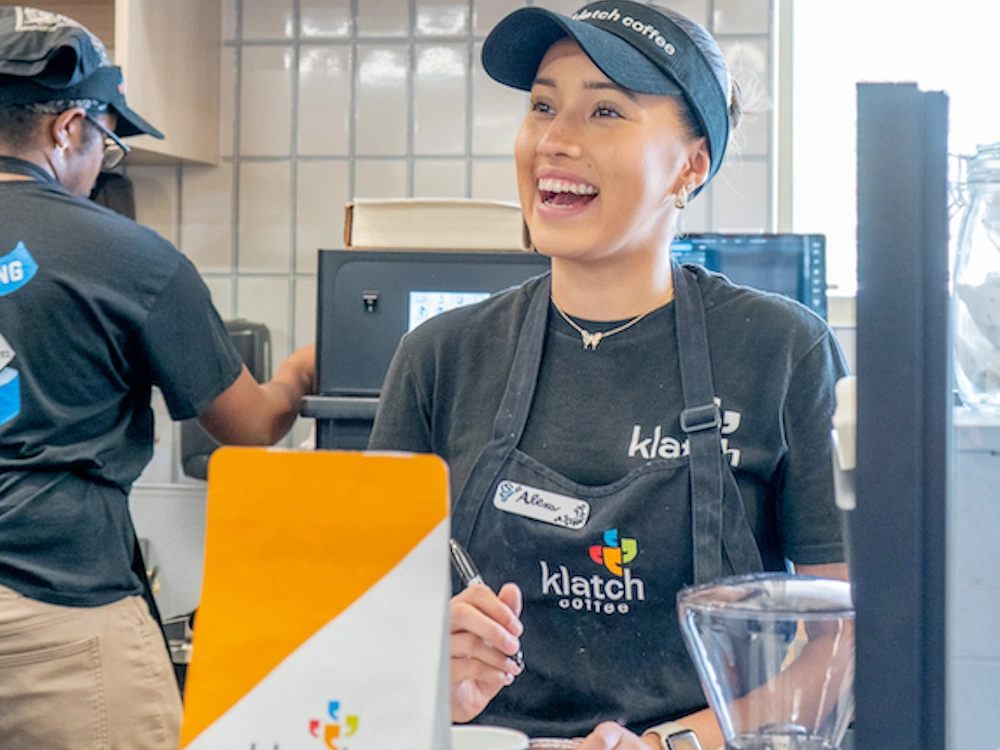
Established specialty coffee markets also face staffing problems. In Sweden and California, owners still receive plenty of applications; instead, the difficulty lies in the cost and effort of hiring.
From Los Angeles to London, higher minimum wages and costly employment rules have further reduced margins, and lower margins in turn make it harder to hire more staff. Joanna says experienced Swedish baristas increasingly look for work in other sectors, although just as many international baristas now apply to cafés.
Paying fair wages is the area where she refuses to cut costs. “That’s where I don’t want to compromise, but I find that is where the biggest challenge has always been,” she says.
Labour is also expensive in California. “It’s incredibly costly to make mistakes on it. So, it’s something you want to make sure you’re invested in properly,” Heather says.
Klatch receives enough applications, but finding the right candidates has become harder. “There are enough bodies there, but it’s finding bodies who align with our cultural values that has gotten more difficult,” Heather says. She believes today’s workforce differs from the pre-Covid one in several ways, particularly in its attitude to customer service and hospitality.
Meanwhile, online ordering, self-service kiosks, and automation are reducing the number of jobs that involve face-to-face service. At Klatch, training can only take baristas so far in meeting the company’s service standards. “So much of our training is spent on customer service and hospitality these days,” Heather says. “This has to be something you believe in, are excited about, or it just doesn’t work.”
Setting the right price
With inflation still high, many coffee shops hesitate to raise prices for fear of losing cost-conscious customers.
So far, that fear has not fully materialised. The coffee sector has a reputation for holding up during downturns, because coffee is a relatively affordable daily purchase that most people keep buying. Many customers will cut other non-essential spending before they stop visiting their favourite café. Specialty coffee in particular has become part of many consumers’ identity, and they appear willing to pay more for quality.
Even so, Heather says many owners set their prices too low. “People don’t run the numbers quite sufficiently as they should to understand the true operating cost of running a coffee house,” she says. Prices that fail to cover costs can quickly push a business into losses.
In Scandinavia, rising C market prices allowed commercial chains to increase menu prices, which gave independent cafés room to follow. According to Joanna, independent cafés can now charge prices that more closely reflect the real cost of coffee. “Now I actually find that the beverage prices are easier to work with,” she says.
Why owners keep running their coffee shops
Despite the low odds of survival, people keep opening coffee shops. As more hospitality moves online and becomes less personal, owners aim to create places where people can meet. According to Joanna, the motivation to open a specialty café today still comes from creativity and art rather than a desire for profit.
Heather says cafés that depend on a busy opening and fashionable design rarely last. “It’s hard these days to have better coffee than your competitors in a sense. Great coffee is readily available for a lot of markets,” she says.
Instead, the cafés that last tend to support producers, roasters, and staff throughout their supply chain, and that support earns customer loyalty. When money is tight, being open with customers about costs can win their trust, and specialty coffee drinkers have a record of supporting independent local businesses that share their values.
What keeps customers coming back
Joanna says customers respond to brands with clear values they refuse to compromise on. Drop chooses ingredients for sustainability and quality over price, which attracts like-minded customers who, she says, “leave with a smile”. That approach has helped Drop open a café in Tokyo and, for the first time in 14 years, redesign its coffee packaging.
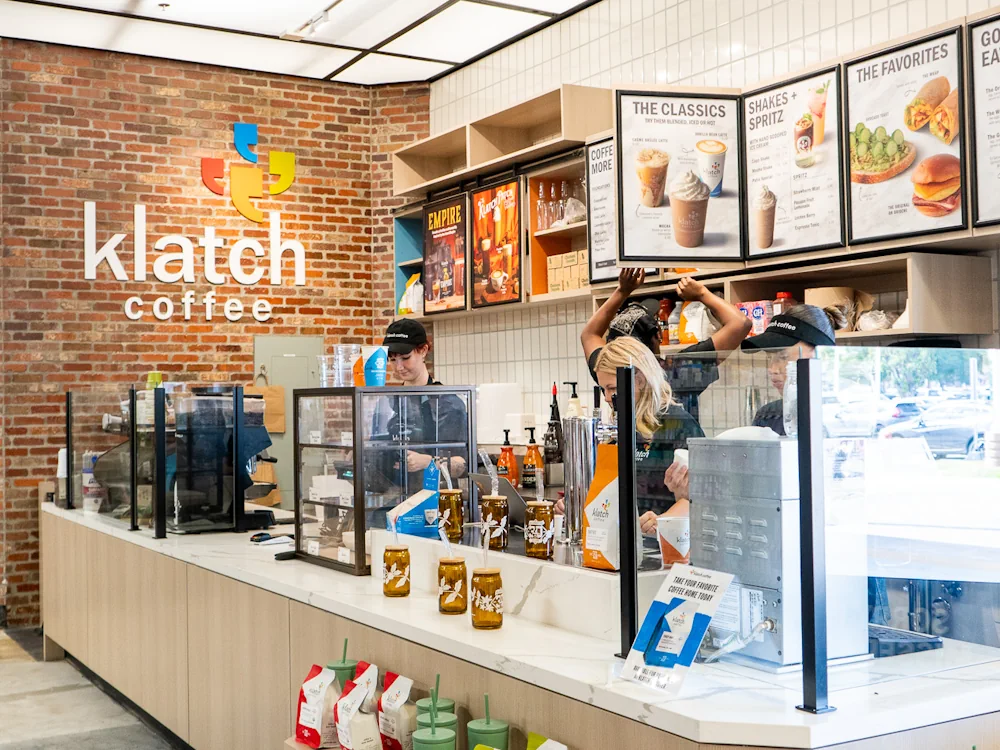
Klatch has also opened more cafés across California this year. Heather says a brand cannot expand until its regulars trust it, and that customers become loyal after about seven visits. The task for owners is to work out what brings those customers back. “If you as the business owner don’t understand the reason that customers return, that’s going to be where you falter,” she says.
For Klatch, the answer is hospitality. “I’m not interested in being the cheapest or the most expensive coffee shop. I’m interested in being somewhere where, when people spend their money, they are happy they spent it there,” Heather says.
Customers also visit coffee shops to find a sense of community. Klatch regularly runs events where staff share their interests with customers, including latte art classes for deaf people and coffee astrology workshops. Heather argues that a café now needs to offer an authentic experience that exceeds expectations, “because people can’t copy that”.
Rising costs, staffing pressures, and changing habits mean coffee shops will continue to operate on thin margins for the foreseeable future.
Klatch and Drop’s experience suggests that owners who understand their true costs, price their drinks to cover them, and give customers a clear reason to return are most likely to survive the next few years.
If you’re interested in increasing your sales & acquiring more leads, check out PDG Media, our sister marketing agency dedicated to specialty coffee.
Running a coffee shop FAQs
Why are coffee shops struggling financially?
Coffee shops face rising green coffee prices, tariff-driven market volatility, and higher costs for milk, rent, insurance, and energy. VAT adds pressure in many European countries, with one survey linking it to nearly 25% of UK pubs, bars, and restaurants making a loss.
Why is hiring staff harder for coffee shops?
Many cafés still receive plenty of applications, but higher minimum wages and costly employment rules have increased the cost of hiring. Owners also report difficulty finding candidates who share their values, while automation reduces the number of face-to-face service roles.
Why do people keep opening coffee shops despite the risks?
Many owners open cafés for creative reasons rather than profit. As more hospitality moves online and becomes less personal, they aim to create places where people can meet. Specialty coffee drinkers also tend to support independent local businesses that share their values.
Photo credit: Klatch Coffee, Christian Gustavsson
Perfect Daily Grind
Want to read more articles like this? Sign up for our newsletter!

Mel is a freelance writer based in Los Angeles zeroed in on coffee and agriculture. She aims to amplify the voices of farmers and a diversity of perspectives. She has an M.S. from U.C. Davis in International Agricultural Development and a B.A. from Occidental College in Biology.


