

How to design award-winning coffee packaging
Estimated reading time: 7 minutes
Key takeaways
- Choose tactile finishes, such as matte coatings and embossing, to create award-winning coffee packaging.
- Use story-driven illustration to give packaging cultural authenticity.
- Add functional details such as QR codes and resealable closures.
- Treat sustainability as a baseline design requirement, not an afterthought.
Award-winning coffee packaging rarely happens by accident. It comes from decisions roasters make well before a bag reaches a customer’s hands, from material and format down to the smallest functional detail.
As specialty coffee prices climb and more consumers order online rather than walk into a shop, those decisions carry more weight than they used to. Roasters who treat packaging as an afterthought risk undercutting everything else they have built into the product.
You may also like our article on whether the era of minimalism is over in coffee packaging.
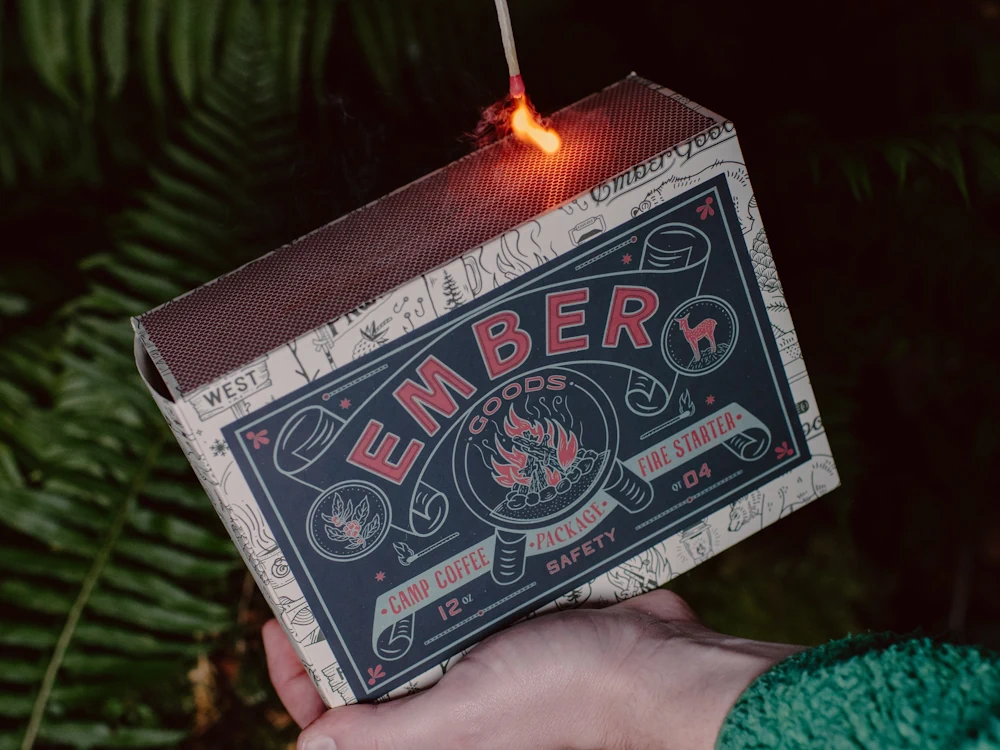
Why premium packaging matters more than it used to
Coffee packaging is no longer just a container. For many consumers, it is the first thing they touch, and increasingly, the first thing that tells them whether a brand is worth their money.
“Consumers are paying more for specialty coffee than ever, so they expect the packaging to reflect the price point,” says Mark Zhou, founder of MTPak Coffee. “When someone spends US$20 on a bag, they want to see intention in every detail, from the finish to the typography. Packaging that feels like an afterthought undermines the coffee inside.”
The trend is not confined to coffee. Mark points to “unboxing culture” and the rise of online shopping, both of which mean a customer’s first contact with a brand is often the packaging itself, not the product.
In Indonesia, the coffee brand Roemah Koffie has seen a similar pattern. A 2024 survey by GoodStats found that most Indonesian coffee drinkers now buy their coffee out rather than brew it at home.
“As coffee becomes part of a broader lifestyle, the experience surrounding it becomes equally important,” says Felix Tj, CEO at Roemah Koffie. “The product, the space, the service, the visual identity, and the packaging can all contribute to how a coffee brand is experienced and remembered.
“This is where premium packaging becomes important. It gives brands an opportunity to communicate quality, create a distinctive experience, and express what makes their product different.”
Roemah Koffie recently won the MTPak Packaging Award at the 2026 Global Coffee Awards Asia, recognised for its unique tin format and intricate illustrations.
“Premium doesn’t simply mean making packaging more elaborate or luxurious, but creating something that is meaningful and reflective of the product and the story behind it,” Felix adds.

What separates award-winning packaging from the rest
Judges assess the same elements: how the packaging feels, how it looks on a shelf, and how it tells a brand’s story.
Finish creates a strong first impression. Mark says. “Award-winning packaging engages more than the eyes. Matte finishes, embossed text, and soft-touch coatings give people another way to interact with the product, and the tactile quality communicates care before it’s opened,” he tells me.
Packaging format matters. Boxes, jars, and tins stand out on a shelf in a way a standard bag doesn’t, and Mark says they give roasters more room to express their brand personality.
For Roemah Koffie, the starting point is narrative rather than appearance. The roaster names each coffee after an Indonesian folk song, and the packaging design follows the song’s meaning. A folk tale of a woman navigating daily life shapes Laruik Sanjo from West Sumatra, and its visual language reflects movement and hope.
“Rambadia from North Sumatra is inspired by the spirit of working together and achieving something beautiful through harmony,” Felix says. “Its woven visual elements reinforce the idea of many parts coming together as one. Anak Daro from West Sumatra reflects a woman’s transition into a new stage of life, expressing themes of tradition, wisdom, elegance, and new beginnings.
“This approach means our packaging variants are intentionally different from one another. Each package tells a different story, reflects a different origin, and expresses a different cultural identity,” he adds. “Each one is a different chapter of Indonesian culture, interpreted through coffee.”
Small details are the final touches. Mark points to information cards, viewing windows, and QR codes as features that turn packaging into more of an experience. “We work with world-class roasters on these details, and the ones who win awards are the ones who pay attention to them,” he says.
Recognising packaging excellence
As more roasters seek accolades for their packaging, the coffee industry has started to formalise recognition. MTPak Coffee is the Global Coffee Awards Gold Sponsor and runs its own packaging award at each edition.
“Packaging has become proof of value, and roasters are starting to be recognised for it,” Mark says. “That’s why we sponsor the Global Coffee Awards as a Gold Sponsor and select an MTPak Coffee Packaging Award winner at every edition. It celebrates roasters who treat packaging as part of the product, not an accessory to it.”

Sustainability and functionality as standard
Coffee consumers no longer treat sustainability as a bonus. Research from McKinsey shows that a packaged product’s environmental credentials increasingly affect what consumers are willing to pay, making sustainable design a commercial issue as well as an ethical one.
“Sustainability and functionality are no longer differentiators; they’re the baseline,” Mark says. He argues packaging now has to be recyclable or compostable, resealable and easy to open, while still being unmistakably on brand.
That’s why we offer fully customisable solutions with low minimum order quantities and custom digital printing, so roasters of any size can meet this standard,” Mark adds.
Felix describes it as a design constraint rather than a marketing add-on, and says Roemah Koffie tries to find solutions where premium design and responsible materials can sit together, rather than treating them as a trade-off.
“Outstanding packaging needs to balance beauty, functionality, quality, and responsibility. As a coffee brand that is deeply connected to origins, farmers, and the people behind the product, we recognise that the story of coffee shouldn’t end once the package reaches the consumer.
“This encourages us to keep considering how materials, production processes, functionality, durability, and the potential second life of packaging can support a more responsible approach.”

No single feature makes packaging award-winning. It is the combination of tactile finish, a considered format, a genuine story, credible sustainability, and small functional details that judges respond to.
For roasters, this means treating packaging as part of product development from the start, not a final step added once the coffee itself is finalised. As prices keep rising and shelf competition grows, this approach is likely to matter more.
Enjoyed this? Then read our article on how to design exceptional coffee packaging.
Award-winning coffee packaging FAQs
What are the first design decisions that shape award-winning packaging?
Start with material and finish. Matte coatings, embossing, and soft-touch textures signal quality before a customer opens the bag. Format choices, such as boxes, jars or tins, follow from there.
How can roasters make packaging feel authentic rather than decorative?
Build the design around a genuine story, such as cultural heritage or brand history, rather than generic imagery. Illustration should express that story, not simply decorate.
How important is sustainability when designing packaging that wins awards?
It is now essential. Judges expect recyclable or compostable materials, resealable closures and easy-open design as standard, alongside a strong visual identity, according to MTPak Coffee founder Mark Zhou.
Photo credits: Roemah Koffie
Perfect Daily Grind
Please note: MTPak Coffee is a sponsor of Perfect Daily Grind.
Want to read more articles like this? Sign up for our newsletter!

Bhavi is an international coffee championship judge, a dairy technologist, a brand-building specialist, and a storyteller with a keen interest in coffee and tea.

